 Szeto Handyman
What we repair
- Split, cupped or soft deck boards.
- Popped nails and screws that catch bare feet.
- Wobbly railings, loose posts and missing balusters.
- Worn stair treads and loose stringers on low steps.
- Faded surfaces ready to be cleaned and sealed.
Checking the frame first
Before new boards go on, we look under the deck. Joists, beams and posts carry the load, and they rot from the top where water sits on them, or at the ground line. We probe them with a screwdriver.
If the frame is sound, board replacement makes sense. If joists are soft, beams sag, or the ledger board where the deck meets the house shows rot or is not bolted, that is structural repair and is not work we take on.
Replacing boards
We match board width and thickness so the surface stays flat. Redwood and pressure-treated pine are common; composite boards need a matching brand and color, and many lines change over the years, so a perfect match is not always possible. In that case, we suggest replacing a whole run so the change looks planned. We use deck screws instead of nails, which pop less over time.
Railings
A railing should not move when you lean on it. Loose railings usually come from posts fastened with a few nails or screws that have worked loose. We add through-bolts or structural screws and blocking where the frame allows.
Balusters should be close enough that a small child cannot slip through. We space replacement balusters to match the ones already there.
Steps
Steps take the most wear. Treads crack, and the stringers that carry them rot where they sit on soil or concrete. We replace treads to match and set new stringers on short runs of steps. Each step should be the same height so people do not trip.
- Hinge screwsA loose top hinge lets the door sag.
- Strike or latchThe latch misses the opening in the frame.
- SwellingSeasonal moisture makes edges rub.
- Fix orderTighten first, adjust next, plane last.
Cleaning and sealing
Once repairs are done, a cleaned and sealed deck lasts longer. We wash, let it dry, and apply a penetrating sealer or stain. In the valley sun, a deck facing south or west benefits from resealing every year or two.
Small decks, back units and ADUs
Many homes here have a small deck or landing at the back door or at a rear unit. Those get the same care, and they are a good fit for a short visit.
Signs your deck needs work
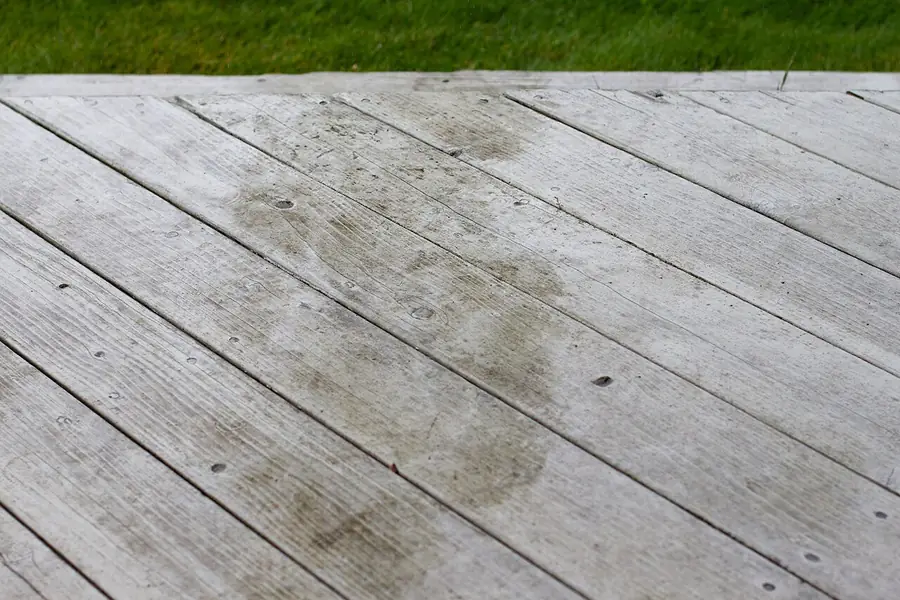
Boards that flex underfoot, nails that rise, splinters, gray and cracked wood, a railing that moves, and a bounce when people walk across are all signs. Moss or mildew on the shady side means water is sitting on the boards.
Fasteners and hardware
Outdoor screws and nails should be stainless or coated for treated lumber, because treated wood corrodes plain steel. Railing and post connectors should be the galvanized or stainless kind sold for decks. We replace rusted hardware we find while working.
- Small fixes and repairs
- Swaps on existing mounts
- Patching and adjusting
- Hardware, trim and assembly
- Structural framing changes
- Roofing and foundations
- New openings in walls
- Whole-room rebuilds
Shade and sun
Decks on the south and west sides dry out and crack faster. Shady decks under trees stay damp and grow mildew. Trimming branches that drop leaves on the deck and sweeping regularly help both kinds last.
- Boards that flex or feel soft underfoot
- Popped nails or screws
- Railings that move when pushed
- Loose or cracked stair treads
- Gray or black stains where water sits
- Ledger and post bases you can see
Low decks and landings
Low decks close to the ground have little airflow underneath, and they rot faster. We check that the ground under them slopes away and that soil is not touching the wood. When the frame is close to the ground, ground-contact rated lumber is the right choice for repairs.
Safety check
Once a year, push on each railing post, look under the deck for soft wood at the posts and the house, and tighten any loose screws. If anything feels off, send a photo and we will tell you whether it is a quick fix or a problem in the frame.
Mixing old and new boards
New boards next to weathered ones stand out for a season or two. Cleaning and staining the whole deck after repairs evens out the color. With composite, a full section change looks more deliberate than a patchwork of colors.
Stairs in the dark
Deck and porch steps are where people trip at night. A step light or a motion light pointed at the steps helps. See our outdoor lighting page for fixtures on existing outdoor boxes.
How we quote
Send a wide photo of the deck, a close photo of the damaged boards, and a photo from underneath if you can reach. We quote board and railing repair by the job and tell you what we see in the frame.
Weekday or Saturday
We work Monday through Saturday. How long board repairs take depends on the deck; we’ll tell you after seeing photos, and sealing is scheduled once the wood is dry.
- Wide shotThe whole fixture and the space around it.
- Close-upLabels, model numbers, the leak or break.
- ConnectionsValves, pipes, wires or brackets.
- Send itText the photos with your cross street.
Working around your plans
Deck work is noisy and the deck is off limits while boards are out. We schedule around weekend gatherings, keep the yard clear of cut-offs and screws, and use a magnet sweep at the end so no stray screw ends up in a bare foot or a dog’s paw. Old boards are hauled away unless you want to keep some for garden beds.
Planters and hot tubs
Planters set right on deck boards trap water and rot the wood underneath. Raising them on feet lets the deck dry. A hot tub is heavy enough that the frame under it needs a structural check before it goes on an older deck.
Related guide: What shapes the price of a handyman visit.
Questions we get
- Deck parts named up front
- Bring your own
Can you replace a few deck boards?
Yes, matched to the existing size.
Can you fix a wobbly railing?
Yes, usually with bolts and blocking.
Do you build new decks?
No. New decks are outside our scope.
- Text (310) 628-9399
- Phone about the deck in open hours
Do you work on composite decks?
Yes, with matching boards where available.
Can you seal my deck?
Yes, after cleaning and repairs.
Do deck boards need space between them?
Yes, a small gap lets water drain and the boards move. Wet pressure-treated boards are often laid tight because they shrink as they dry; composite boards follow the maker’s spacing.
- English
- Mandarin Chinese
- Cantonese
Can you flip deck boards over?
Sometimes. A board that is worn on top but sound underneath can be turned over if the fasteners come out cleanly and the underside is not rotted.
Can you paint deck boards?
Yes, but paint wears and peels on walking surfaces faster than on railings. Many people use a penetrating stain on the boards and paint on the railings.
- Valley-wide
- Deck jobs in houses and ADUs
Get a quote for deck board and railing repair
Text a photo and your cross street. Free estimates, and most texts are answered within the hour.
Good to fix along with the deck
Easy to add on the same trip: fixing soft, rotted wood or fence and gate repair. If the cause is elsewhere, see motion sensor light replacement; hose bib and outdoor faucet repair and sliding glass door repair come up often too.
Repairs related to the deck
Available across the San Gabriel Valley, including West Covina, Covina, Baldwin Park, Azusa, Temple City, Sierra Madre, Monrovia, Duarte, Irwindale and Glendora.