 Szeto Handyman
The jobs we paint
- A single bedroom, bathroom or hallway.
- An accent wall or a color change in one room.
- Interior doors, door frames and baseboards.
- Ceilings with water stains after the leak is fixed.
- Touch-ups over patched drywall, anchors and nail holes.
- A rental unit between tenants.
Whole-house repaints and exteriors with tall walls are outside our scope. We focus on room-sized jobs, the kind that are easy to put off because they are small.
Prep is most of the job
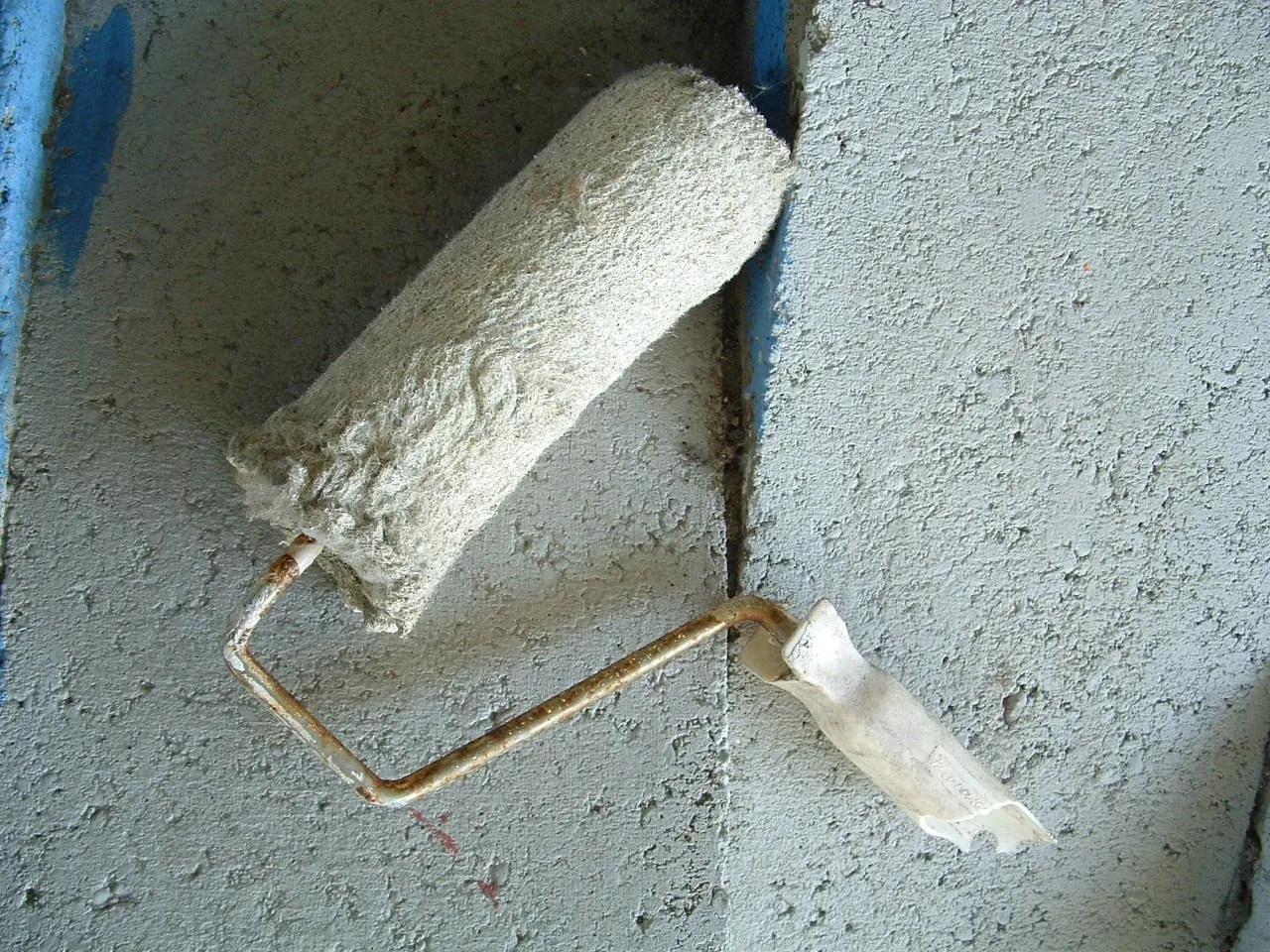
Paint looks only as good as the surface under it. We move furniture to the middle of the room and cover it, lay drop cloths along the walls, remove switch plates and outlet covers, and tape where a straight line matters. Nail holes and dents get filled and sanded.
Glossy surfaces get a light scuff so new paint grips. Stains from water or smoke get a stain-blocking primer first; otherwise they bleed through two coats of new paint.
- Valley-wide
- Touch-up jobs in houses and ADUs
Kitchens and bathrooms need a wash before painting, because cooking grease and soap film keep paint from sticking. We clean those walls with a degreaser and let them dry.
- Small fixes and repairs
- Swaps on existing mounts
- Patching and adjusting
- Hardware, trim and assembly
- Structural framing changes
- Roofing and foundations
- New openings in walls
- Whole-room rebuilds
Picking a sheen
- Flat or matte: hides wall flaws best. Good for ceilings and low-traffic bedrooms.
- Eggshell: a soft glow and easier to wipe. A common choice for living rooms and halls.
- Satin: stands up to moisture and scrubbing. Good for bathrooms, kitchens and kids’ rooms.
- Semi-gloss: hard and washable. The usual choice for doors, trim and cabinets.
Higher sheens show every bump in the wall, so on old plaster or patched drywall a lower sheen looks smoother.
- Wide shotThe whole fixture and the space around it.
- Close-upLabels, model numbers, the leak or break.
- ConnectionsValves, pipes, wires or brackets.
- Send itText the photos with your cross street.
Matching existing paint
Touch-ups only blend when the color and sheen match and the wall has not faded much. If you have the leftover can or the paint name, bring it out. If not, we take a chip from a hidden spot to a paint store for a scan.
Even with a perfect match, a small patch on a big wall can show as a slightly different shade. Painting the wall corner to corner is the way to make it disappear, and we will tell you when that is the better choice.
How the work goes
- Cover floors and furniture, remove plates and hardware.
- Patch, sand and prime spots that need it.
- Cut in edges with a brush along ceilings, corners and trim.
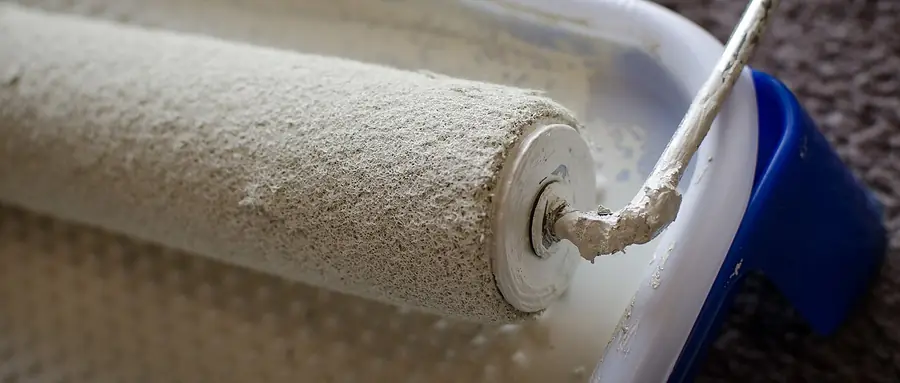
- Roll walls in sections while the edges are still wet.
- Second coat once the first is dry.
- Pull tape, reinstall plates, clean up and walk the room with you.
How long a room takes depends on the job and the dry time; we’ll tell you after seeing photos. We use low-odor paint indoors and keep windows open where the weather allows.
Ceilings and stains
A brown ring on the ceiling is usually from an old leak. Once the leak is fixed and the drywall is dry and solid, a coat of stain-blocking primer and ceiling paint makes it vanish. If the stain is soft or sagging, the drywall needs repair first. See our drywall repair page.
- PrepRemove loose or damaged material.
- RepairPatch, fill or reset the piece.
- Build upThin layers, each left to set.
- FinishSand, seal or paint to blend in.
Rental turnovers
Between tenants, walls collect scuffs, tape marks, picture holes and the odd crayon drawing. A turnover paint job focuses on speed and a clean, neutral finish: fill holes, spot-prime, and roll walls in a durable eggshell so the next round of scuffs wipes off. We keep a record of the color and sheen per unit so future touch-ups match.
- Paint color name and sheen, or the can
- Patches already done or still needed
- Furniture moved off the walls
- Ceilings, trim, doors or just walls
- Pets and kids kept out of wet areas
- Photos of each room
Doors and trim
Interior doors look tired long before walls do, because hands touch them all day. Doors come off their hinges and get painted flat on sawhorses, which avoids drips and gives a smoother finish. Hardware gets removed, not taped. Trim gets a light sand between coats.
Paint and pets
- A wider view
- The touch-up up close
- Nearest cross street
Keep pets out of the room until the paint is dry to the touch. Tails and noses love fresh paint. Low-odor paint helps, but ventilation still matters.
Leftover paint
We label leftover cans with the room and date and leave them in a cool, dry spot. A small labeled jar of each color makes touch-ups easy later.
Color help without a designer
Picking a color from a two-inch chip is hard. We suggest buying sample pots of two or three choices and rolling a patch the size of a sheet of paper on two walls, one that gets direct light and one that does not.
Look at them in the morning and again at night under your own bulbs before deciding. Warm white bulbs make cool grays look muddy, and cool bulbs make beige look flat, so the bulbs in the room matter as much as the paint.
Small extras on paint day
- Snap and send
- Touch-up cost set first
- Tested before leaving
Paint day is a good time for small fixes: tightening loose switch plates, swapping yellowed outlet covers, filling the gap above a door frame, or rehanging a curtain rod a little higher.
Related guide: What changes the cost of drywall and surface repairs.
Photo checklist
- The wall or area to paint, wide
- Close-ups of marks, patches or peeling
- Labels from leftover paint cans
Questions we get
Do you paint whole houses?
We focus on single rooms, doors, trim and touch-ups. Whole houses are outside what we do.
Do you supply paint?
Yes, or we use paint you already bought.
How long before I can use the room?
Once the paint is dry to the touch. Full cure takes longer; check the can, and avoid scrubbing until then.
- Just the touch-up
- Bundle small tasks
Can you paint over wallpaper?
It is better to remove it. Paint can loosen wallpaper paste and cause bubbling.
Do you move furniture?
Yes, to the middle of the room. Very heavy pieces like pianos stay put and get covered.
Why does my touch-up look shiny?
The sheen differs from the original paint, or the paint aged. Painting the whole wall solves it.
- A text on the way to the touch-up
- Floors covered, tidy after
Can you match a paint color from a chip?
A paint store can scan a small piece; we can cut one from a hidden spot.
Do you paint trim and doors?
Yes, with a paint suited to trim.
What finish should I use in a bathroom?
A finish made for humid rooms, which wipes clean and resists mildew.
- Mon–Sat 8:30 AM–7 PM
- Closed Sunday
- Texts usually answered within the hour
Do I need primer for touch-up paint?
On bare patching compound, yes; unprimed patches absorb paint and show as dull spots. On a clean, already painted wall, primer is usually not needed.
Can you touch up paint without painting the whole wall?
Small touch-ups blend when the paint matches in color, sheen and batch and the wall has not faded. Otherwise, painting corner to corner gives an even finish.
Can I use old paint for touch-ups?
If it was sealed and kept from freezing, and it stirs smooth with no lumps or sour smell, yes. Strain it first.
- Tenants can open up
- A code for the touch-up visit
Get a quote for interior painting and touch-ups
Text a photo and your cross street. Free estimates, and most texts are answered within the hour.
Good to fix along with the touch-up
Customers who book touch-up work often add drywall patch and texture matching or baseboard, casing and crown molding. Other pages that help: popcorn ceiling removal, stucco crack and patch repair, swapping ceiling lights and sconces.
Repairs related to the touch-up
Also done in West Covina, Covina, Baldwin Park, Azusa, Temple City, Sierra Madre, Monrovia, Duarte, Irwindale and Glendora.
Planning to repaint a bedroom ceiling? Consider removing the popcorn texture first.