 Szeto Handyman
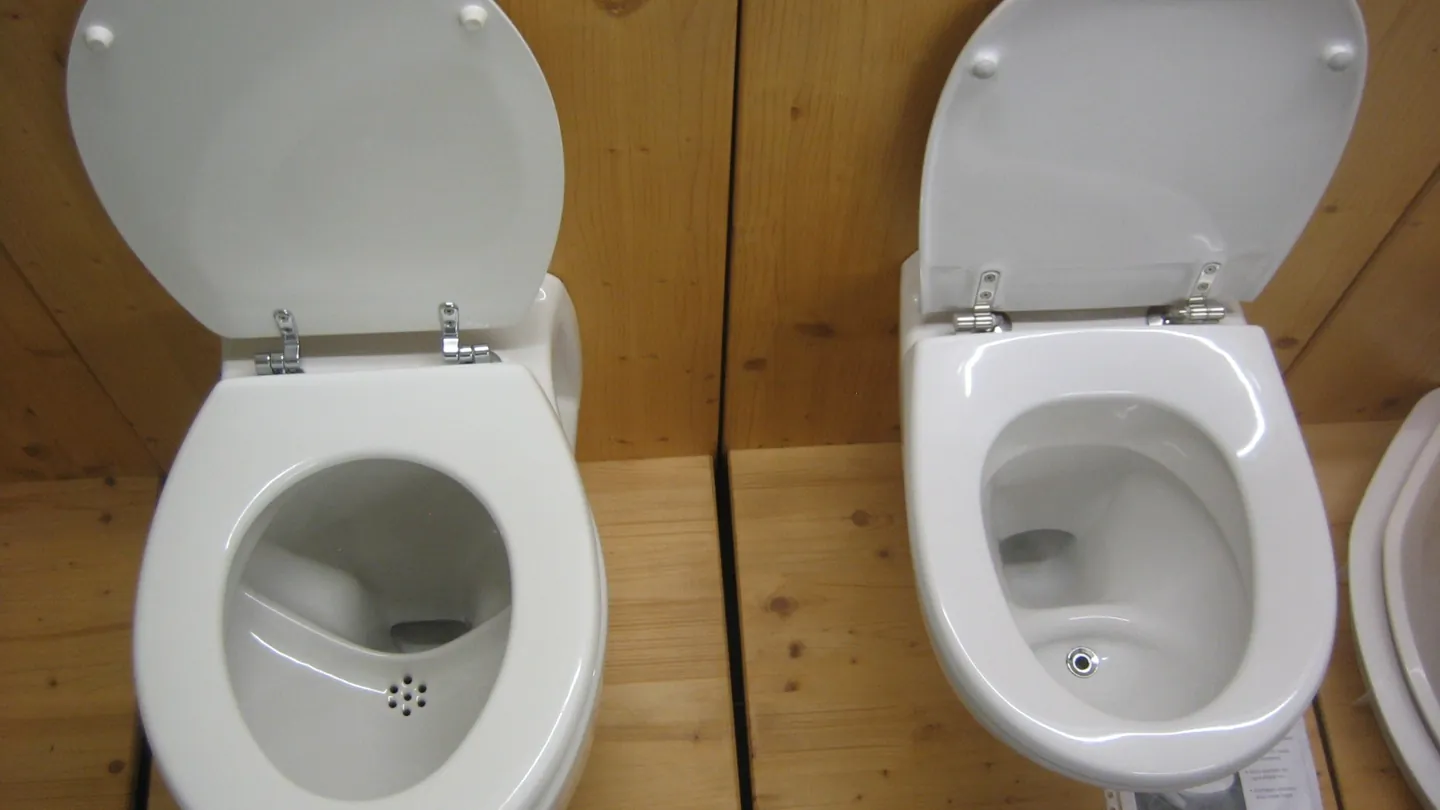
How the tank works
- English
- Mandarin
- Cantonese Chinese
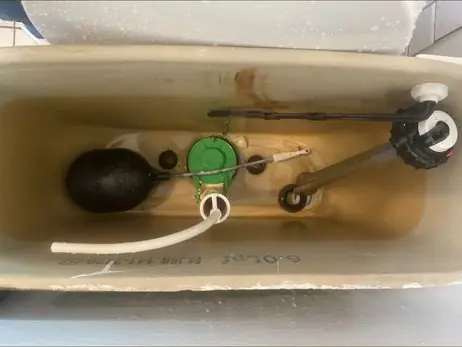
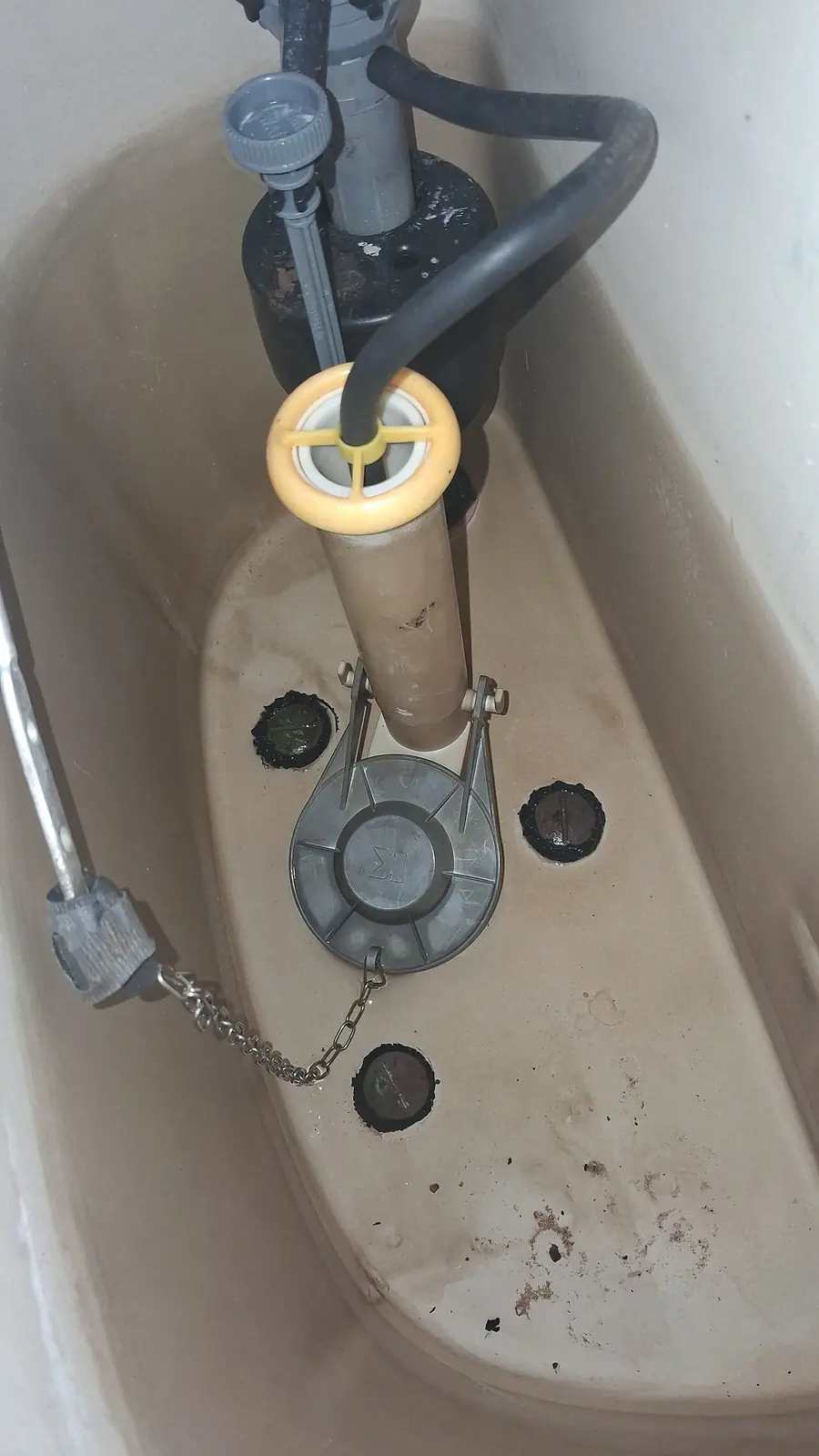
Flushing lifts a rubber flapper at the bottom of the tank, and water drops into the bowl. The flapper falls back and seals. A fill valve on the left side then refills the tank until a float rises and shuts it off.
A small tube from the fill valve also sends water into the overflow pipe to refill the bowl. A running toilet means water is escaping somewhere in that loop, or the fill valve is not shutting off.
A five-minute diagnosis
- Take off the tank lid and set it on a towel; lids crack easily.
- Look at the water level. If it is above the top of the overflow pipe, water is spilling into the pipe. The fill valve is set too high or is not shutting off.
- If the level is below the overflow, put a few drops of food coloring in the tank and wait fifteen minutes without flushing. If color shows in the bowl, the flapper is leaking.
- Watch the flapper chain. Too short and it holds the flapper open; too long and it can tangle under the flapper.
- Listen for a hiss after the tank fills. A hiss means the fill valve is passing water.
- Faucets, toilets and valves
- Traps and drain connections
- Water heaters on existing lines
- Disposals and supply lines
- Moving or adding pipe runs
- Sewer and main drain work
- Repiping and new gas lines
- Slab leaks
Flapper problems
Flappers harden and warp with age and with chlorine tablets in the tank. A warped flapper lets water trickle into the bowl, the tank level drops, and the fill valve kicks on for a few seconds every so often. That periodic refill, sometimes called a phantom flush, is the classic sign.
A new flapper sized to your flush valve, two-inch or three-inch, usually fixes it. If the seat under the flapper is rough or cracked, the whole flush valve may need replacing, which means taking the tank off the bowl.
- Wide shotThe whole fixture and the space around it.
- Close-upLabels, model numbers, the leak or break.
- ConnectionsValves, pipes, wires or brackets.
- Send itText the photos with your cross street.
Fill valve problems
Fill valves wear out, collect grit, or are set too high. Adjusting the float down a little may fix water spilling into the overflow. A fill valve that hisses or never fully shuts off needs replacement.
Modern fill valves are adjustable and fit most toilets. We turn off the supply, drain the tank, swap the valve, set the height and the water level to the line marked in the tank, and check for leaks at the supply line.
Handle and chain
A sticky handle or a chain with too little slack keeps the flapper from sealing. A loose handle nut makes flushing unreliable. These are quick adjustments, and often the first thing to check.
Why it matters
A running toilet wastes water around the clock. The EPA’s WaterSense Fix a Leak Week page puts it plainly: “An old or worn flapper can cause your toilet to flush on its own or silently leak thousands of gallons a year.” Fixing it is one of the cheapest home repairs with a real return.
When the problem is outside the tank
- Valley-wide
- Running toilet jobs in houses and ADUs
Water on the floor around the base is a different issue: a failed wax ring, a cracked bowl or tank, or a leaking supply line. Those need the toilet pulled or parts replaced. See toilet repairs and part swaps. If the shutoff behind the toilet will not turn or drips, see replacing a shutoff that will not turn.
Check your water meter
A silent leak is easy to miss. To confirm, turn off every faucet and appliance, note the reading on your water meter or watch the small leak indicator dial, and wait half an hour without using water. If the numbers moved, water is going somewhere. Turning off the toilet valves one at a time while watching the dial tells you which toilet it is.
- Lift the lid and look: is water spilling into the overflow tube?
- Drop food coloring in the tank and wait without flushing
- Color in the bowl means the flapper is leaking
- Water at the top of the overflow means the fill valve or float
- Check the chain has a little slack, not too much
- Text a photo of the inside of the tank
Older toilets
Toilets from before the low-flow era use more water every flush, and their parts can be harder to find. If an older toilet runs, a new flapper and fill valve usually still fit. If the tank or bowl is cracked, or the flush valve seat is damaged, replacing the toilet is often the better buy, and a WaterSense labeled model saves water for years.
Dual-flush and pressure-assist toilets
- The whole area
- Details of the running toilet
- Your city
Dual-flush toilets use a different valve than a flapper, and pressure-assist toilets use a sealed tank inside the tank. Both have their own parts. Take a photo inside the tank and text it; we will bring the right kit.
What to send
A photo inside the tank with the lid off, a photo of the brand stamp behind the seat or inside the tank, and a short note on what you hear and how often.
Tank bolts
If water drips from under the tank, the tank bolts or the gasket may be leaking. That is a separate repair.
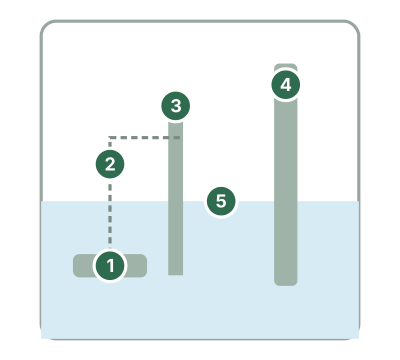
- Flapper, which seals the drain
- Lift chain to the handle
- Overflow tube
- Fill valve, which refills the tank
- Water line mark
Quiet refills
Some fill valves are quieter than others.
After the fix
Once new parts are in, flush a few times and watch the refill. The water should stop at the fill line, about an inch below the top of the overflow pipe, and stay there. A dye test a day later confirms the flapper is sealing.
- Shut it offTurn the valve under the fixture clockwise, or the main valve.
- Relieve pressureOpen a faucet nearby so the line drains.
- Contain itTowels and a bucket; unplug anything wet.
- Photo and textSnap the leak and valve, then text us.
Related guide: What shapes the price of a handyman visit.
Photo checklist
- Inside the tank with the lid off, showing the fill valve, flapper and overflow tube
- The stamp or logo inside the tank or on the bowl
- The shutoff valve and supply line behind the toilet
- A short video of the sound or the refill
Questions we get
Is a running toilet urgent?
Not dangerous, but it wastes water every hour. Turn off the valve behind it until it is fixed.
Can I fix it myself?
Often, with a new flapper or fill valve. If not, we can.
Why does my toilet refill on its own?
Usually a leaking flapper letting water into the bowl.
- Text a photo
- A running toilet price first
- We test our work
Do chlorine tablets harm toilets?
They can wear out rubber parts faster.
How long does a fix take?
It depends on the job; we’ll tell you after seeing photos.
Why does the water level keep rising to the overflow tube?
The fill valve float is set too high or the valve is not closing. Lowering the float or replacing the valve fixes it.
- Just the running toilet
- Bundle small tasks
My flush handle has to be jiggled. Is that related?
Yes. A chain that catches or a handle arm that sticks keeps the flapper from closing.
Why do some new flappers not fit?
Flush valves come in different sizes, and some toilets use canisters instead of flappers. The part must match the toilet.
Can a running toilet raise my water bill?
Yes. It runs around the clock, so even a small leak adds up.
- A text on the way to the running toilet
- Floors covered, tidy after
Why does my toilet run every few minutes?
That is a slow leak from the tank into the bowl, usually past a worn flapper. The fill valve then tops the tank up.
Will a running toilet stop on its own?
Rarely. Worn flappers and fill valves keep running until a part is replaced.
Which parts get replaced for a running toilet?
Usually the flapper, sometimes the fill valve or the chain. We match parts to your toilet brand.
- Mon–Sat 8:30 AM–7 PM
- Closed Sunday
- Texts usually answered within the hour
Get a free estimate
Text a photo and your cross street. Free estimates, and most texts are answered within the hour.
Good to fix along with the running toilet
Customers who book running toilet work often add faucet and toilet swaps or shutoff valve replacement. Other pages that help: Faucet: repair or replace?, Small jobs welcome, Urgent home repairs: what to do first.
Repairs related to the running toilet
Also done in West Covina, Covina, Baldwin Park, Azusa, Temple City, Sierra Madre, Monrovia, Duarte, Irwindale and Glendora.
Most running toilets come down to a fill valve or flapper; the Fluidmaster parts page explains which one to check first.Kohler tanks often need their own flush valve seal, covered on the Kohler toilet and faucet repair page.If the tank says American Standard, the American Standard repair page covers its flush valve and fill valve.